Tight Access Properties Gardeners Solutions in NW1 Mews
If you live in a NW1 mews, you already know the charm can come with a headache: narrow gateways, awkward corners, shared entrances, limited parking, and not much room to swing a rake, let alone a mower. That is exactly where tight access properties gardeners solutions in NW1 mews become useful. The job is not just "do the gardening" and hope for the best. It is about planning the work around the space, protecting surfaces, moving materials carefully, and finishing with a garden that feels calm rather than cluttered.
In practice, the best results come from a mix of sensible access planning, the right tools, and a tidy, low-disruption approach. This guide breaks down how it works, who needs it, common mistakes to avoid, and what to expect if your garden is tucked away behind a narrow passage or courtyard. It is written for real homes, real access problems, and real British weather - because mud, damp paving, and a wheelbarrow with too much ambition can make a simple job feel strangely dramatic.
- Quick takeaway: tight-access gardening is mostly about method, not muscle.
- Best outcome: clean movement, careful staging, and compact equipment.
- Most important mindset: protect the property first, then improve the garden.
Table of Contents
- Why Tight Access Properties Gardeners Solutions in NW1 Mews Matters
- How Tight Access Properties Gardeners Solutions in NW1 Mews Works
- Key Benefits and Practical Advantages
- Who This Is For and When It Makes Sense
- Step-by-Step Guidance
- Expert Tips for Better Results
- Common Mistakes to Avoid
- Tools, Resources and Recommendations
- Law, Compliance, Standards, or Best Practice
- Options, Methods, or Comparison Table
- Case Study or Real-World Example
- Practical Checklist
- Conclusion
- Frequently Asked Questions
Why Tight Access Properties Gardeners Solutions in NW1 Mews Matters
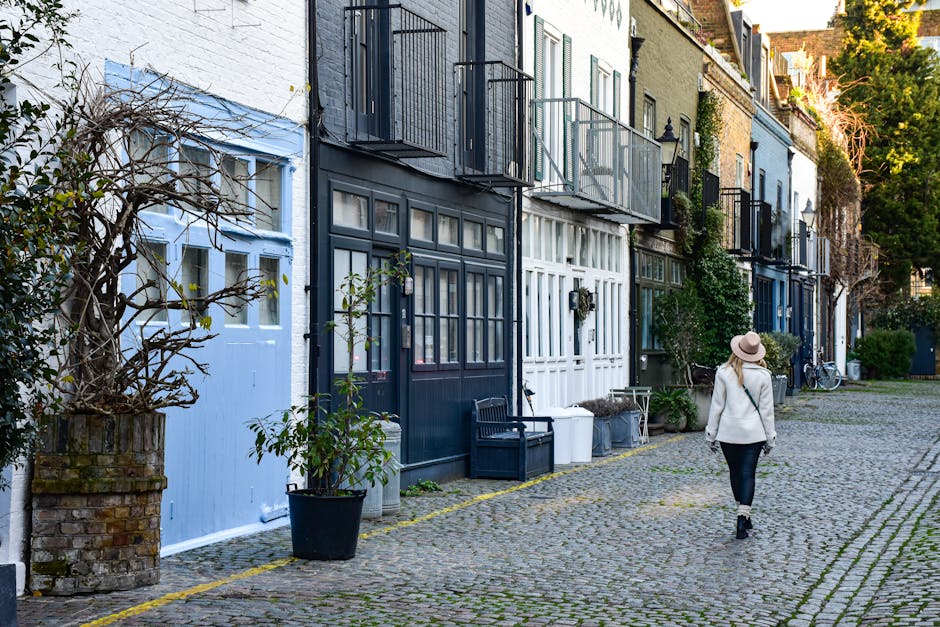
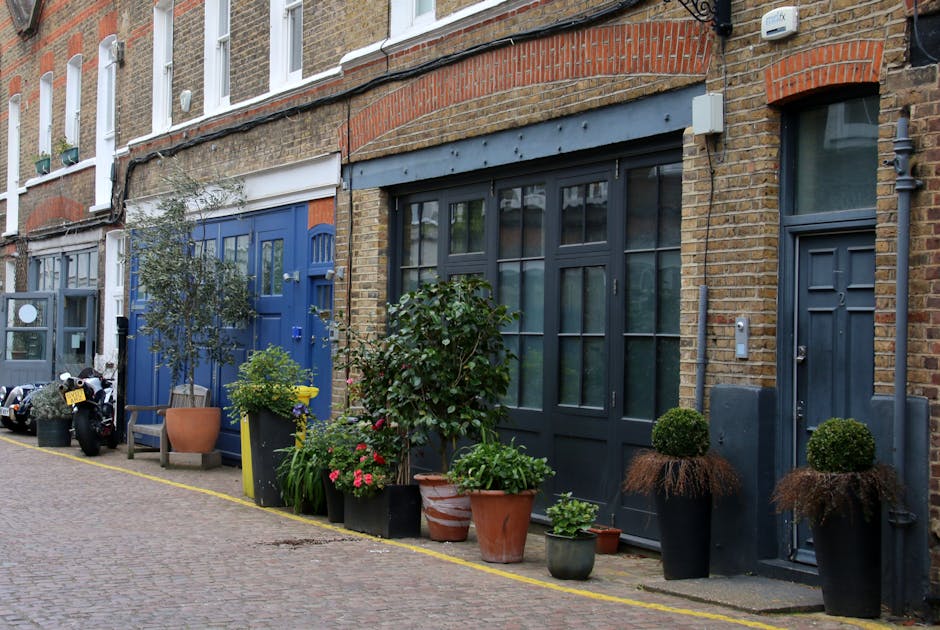
Tight access in a mews property changes the whole rhythm of garden work. A normal suburban garden might allow easy transport of soil, compost, hedge trimmings, or a mower in and out. In a NW1 mews, you are often dealing with narrow side passages, shared courtyards, low head height, internal steps, or entrances that open only part way. That means every task needs a bit more thought.
Why does that matter? Because poor planning in a confined space can lead to scuffed stone, damaged planters, torn lawn edges, blocked access for neighbours, and unnecessary time on site. You may only need a straightforward maintenance visit, but if the route is awkward, even simple jobs can become messy. And honestly, nobody wants a pile of cuttings wedged beside a gate at the end of the day.
This is also about preserving the character of mews homes. These properties often have carefully designed paving, railings, small courtyards, and compact planting schemes that are easy to disturb if the work is rushed. A smart approach keeps the garden looking intentional, not "we made do and hoped for the best."
For homeowners, landlords, and managing agents, the right method can reduce complaints, save repair costs, and keep the garden usable year-round. If the access is especially awkward, it can be worth pairing routine care with more structured garden maintenance so the space never gets to a difficult state in the first place.
How Tight Access Properties Gardeners Solutions in NW1 Mews Works
The work usually starts before a tool is lifted. A good gardener will look at the access route, the surfaces, the width of gates or corridors, and where waste can be staged without getting in the way. In a mews setting, this step is often the difference between a smooth visit and a frustrating one. To be fair, the garden itself may be small - but the logistics can be the real job.
After that comes task matching. Not every job suits every tool. A compact battery mower, a lightweight blower, hand shears, folding saws, and smaller collection tubs may be more suitable than heavy petrol kit. For larger clearances, waste is usually bagged or bundled in smaller loads rather than dragged through a property in one go. A careful gardener will also think about noise, neighbour access, and timing.
The next part is sequencing. On a tight-access site, you do not want to prune first if you have nowhere clean to store the cuttings. You do not want to wash paving before all the debris is cleared. And you certainly do not want to drag a muddy hose through a pristine hallway. It sounds obvious written down like this, but it gets missed more often than you would think.
For example, a typical small mews courtyard may be tackled in this order:
- Check access and protect vulnerable surfaces.
- Remove loose waste and make space to work.
- Carry out cutting, trimming, mowing, or clearance in manageable stages.
- Collect and bag all arisings neatly.
- Finish with sweeping, edging, and a final access check.
That simple sequence keeps the job controlled. It also helps if the property needs follow-on work such as patio cleaning, hedge shaping, or a more involved tidy-up after a season of growth.
Key Benefits and Practical Advantages
The biggest benefit is obvious: the garden gets done without turning the whole property into a work zone. But there are several smaller gains that matter just as much, especially in a dense London street where access is limited and everyone notices when work is untidy.
Better protection for the property. Narrow access means more chances to knock into walls, chip paving, or scuff painted timber. Careful methods reduce that risk.
Cleaner waste handling. Smaller loads and better staging mean cuttings, soil, and debris are less likely to spill across the route.
Less disruption to neighbours. In shared mews spaces, that counts for a lot. Quiet equipment and shorter, organised visits make life easier for everyone.
More realistic maintenance. Some gardens fail because the plan is too ambitious for the space. Tight-access gardening works with the layout instead of fighting it.
Safer working conditions. When tools and materials are chosen for the space, the risk of trips, slips, and awkward lifting is lower. Not zero, of course - gardening is still gardening - but lower.
There is also a subtle visual advantage. A properly managed mews garden often feels more spacious once it has been decluttered, edged, pruned, and balanced. Small spaces benefit hugely from restraint. A slightly overgrown shrub can make a courtyard feel cramped; the right cut can suddenly open the whole place up.
Who This Is For and When It Makes Sense
This kind of service is useful for anyone whose garden cannot be serviced in a simple straight line. That includes homeowners with narrow side returns, landlords with compact rear access, and managing agents responsible for shared mews spaces. If a mower has to be carried rather than rolled, you are probably in the right territory.
It makes particular sense when:
- the access route is too narrow for standard equipment
- the garden is reached through a shared passage or courtyard
- there are steps, tight turns, or low arches
- waste removal needs to be done in small loads
- the property has delicate paving, railings, or historic detailing
- neighbour disruption needs to be kept to a minimum
It is also a sensible choice before a sale, after a tenancy change, or before a garden begins its busy season. A quick clean-up can sometimes stop the space from sliding into a bigger project. That said, if you are looking at major redesigns, you may need broader help through landscape gardening or related gardening services rather than basic maintenance alone.
One little tell: if you find yourself saying, "We just need someone who can physically get to it," then yes, this is exactly the kind of problem these solutions are meant for.
Step-by-Step Guidance
Here is the practical way to approach a tight-access mews garden, whether you are arranging the work yourself or briefing a gardener. Keep it simple. Simple works.
1. Measure the access properly
Check the width of gates, side passages, and any tight corners. Look at head height too, not just floor space. A narrow archway can be more limiting than it first appears, especially if you are carrying branches or taller tools.
2. Identify the surfaces that need protection
Stone paving, painted thresholds, timber edging, glass panels, and delicate beds should be protected before work begins. In a mews property, a small mistake can be visible immediately. A bit of preparation saves a lot of apologising later.
3. Choose access-friendly methods
Use compact tools, small containers, and manageable waste loads. For lawn work, that often means lightweight or battery equipment. For pruning, it means hand tools where possible and controlled cut sizes.
4. Clear the route first
Before any real gardening starts, remove loose clutter and anything that will catch underfoot. Old pots, broken canes, bags, and stray trimmings can make a narrow route feel much smaller.
5. Work from the furthest point back
Start where the access is hardest and move back towards the exit. That way you are not carrying debris across areas you have already cleaned. Simple, but very effective.
6. Bag and stage waste in small loads
Do not wait until the end and try to move everything in one big sweep. Small, tidy loads are safer and easier to manage. Your back will appreciate it too.
7. Finish with a proper clean-down
Give the route a final sweep, check for leaf litter, and make sure gates, latches, and access points are left as they were found. If you are having hard landscaping or external surfaces refreshed later, a follow-up with patio cleaning can be a smart finishing touch.
Expert Tips for Better Results
In our experience, the best tight-access jobs are the ones that look almost boring in how calm they are. Nothing is hurried. Nothing is overpacked. Nobody is trying to be a hero with a huge wheelbarrow and a wish for the best.
Tip 1: Plan around the narrowest point, not the widest. That one pinch point decides the whole workflow. If a tool or bag cannot pass there comfortably, it is the wrong choice.
Tip 2: Keep cuttings small and regular. It is much easier to manage several light loads than one overloaded trip. Also less chance of dropping bits on lovely paving.
Tip 3: Match the job to the weather. Wet surfaces in a mews can become slippery very quickly. A damp morning is not a problem on its own, but it does change the pace and the risk level.
Tip 4: Use quieter methods when neighbours are close. Battery tools, hand finishing, and well-timed visits are often better than a loud, rushed approach. Let's face it, nobody enjoys the sound of unnecessary fuss in a courtyard at 8am.
Tip 5: Ask for a tidy finish, not just a cut. Trimming a hedge or mowing a lawn is only part of the job. The edges, paths, and access route matter just as much.
One more thing: if you have planting that keeps collapsing into the route, consider whether the layout itself needs improvement. Sometimes the garden is not "too small," just poorly arranged for how it is used. A bit of thoughtful landscaping can make a tight space feel far less restrictive.
Common Mistakes to Avoid
The most common mistake is assuming a small garden must be a quick job. Actually, tight access often adds time. Not because the garden is difficult, but because movement is restricted and every step has to be more deliberate.
Another mistake is bringing oversized equipment and hoping it will fit once you are on site. That rarely ends well. You end up with frustration, delays, and sometimes a workaround that is awkward for everyone.
- Using equipment that is too heavy or too wide for the access route
- Ignoring waste removal until the end of the visit
- Overwatering or overcleaning surfaces that become slippery
- Failing to protect walls, gates, and edging
- Forgetting neighbour impact in shared entrances
- Trying to do too much in one visit instead of sequencing the work
There is also a planning mistake that shows up a lot: people book a service for the garden they want, not the garden they actually have. That sounds harsh, but it matters. A compact mews plot may need more frequent smaller visits rather than a single heavy-duty tidy-up. If the space is getting out of control, a more decisive first pass with garden clearance may be the better starting point.
Tools, Resources and Recommendations
You do not need a warehouse of gear to manage tight-access work well. In fact, too much gear can be the problem. The best toolkit is usually compact, flexible, and easy to carry through narrow routes.
| Tool or Method | Best Use in Tight Access | Why It Helps |
|---|---|---|
| Battery hedge trimmer | Light pruning and shaping | Quieter, lighter, and easier to move through narrow spaces |
| Hand shears and secateurs | Precise finishing and small cuts | Control matters more than speed in confined areas |
| Compact mower | Small lawns and courtyard grass | Easier to steer and carry where needed |
| Heavy-duty waste bags | Cuttings and leaf collection | Smaller loads reduce spills and handling strain |
| Protective covers or edging guards | Thresholds, walls, and fragile surfaces | Helps prevent visible damage in tight routes |
For ongoing care, the most useful "resource" is often a regular schedule. A mews garden left too long becomes awkward far faster than a larger plot. That is why steady lawn care, periodic hedge work through hedge trimming, and seasonal tidy-ups can make life much easier. If trees are creating access problems or shading the space heavily, tree surgery or tree lopping and removal may be relevant too, though only where appropriate and properly assessed.
A practical recommendation: keep a simple site note for the property. Record the access route, gate width, storage point for waste, and any awkward surfaces. It sounds a bit admin-heavy, but next time the job is half as stressful. Small note. Big difference.
Law, Compliance, Standards, or Best Practice
For most domestic gardens, the main concern is good practice rather than complicated legal theory. Still, there are sensible standards to respect. Garden work should be carried out safely, with care for access routes, tool handling, waste movement, and neighbour property. If you are hiring help, it is fair to expect clear communication about safety, insurance, and how the work will be managed on site.
In a tight-access setting, best practice usually includes:
- risk-aware planning before work starts
- appropriate manual handling for heavy or awkward items
- care around slips, trips, and restricted visibility
- respect for shared access and communal areas
- responsible waste collection and disposal
If you are comparing providers, it is sensible to look at their published health and safety policy and insurance and safety information. Those pages help you judge whether a company thinks carefully about the realities of working in constrained spaces, not just the greenery itself.
There is also a trust angle. Clear terms, transparent pricing, and secure payment handling matter when work is being arranged for a private property. It may sound a little dull, but dull is good here. Dull is reliable. If you want to compare what to expect, the company's pricing and quotes information can help set expectations before anyone turns up with tools.
Options, Methods, or Comparison Table
Different tight-access gardens need different approaches. There is no one-size-fits-all fix, and frankly anyone who says there is probably has not tried turning a full-size mower around a mews corner.
| Approach | Best For | Pros | Trade-Offs |
|---|---|---|---|
| Routine maintenance visits | Gardens that stay mostly under control | Quick, tidy, low disruption | Needs consistency |
| Targeted clearance | Overgrown or recently neglected spaces | Creates space and restores access | Can be more time-consuming at first |
| Access-friendly pruning and shaping | Compact planting, hedges, and shrubs | Improves light and movement | May need repeat visits during growing season |
| Design-led landscaping changes | Spaces that feel cramped or awkward | Improves long-term usability | Usually a bigger commitment |
If the goal is day-to-day tidiness, regular maintenance is usually enough. If the access is being blocked by growth or clutter, start with clearance. If the layout itself is the issue, a redesign may give the best long-term result. That is where the judgement call matters. A good gardener should help you choose the lightest solution that actually solves the problem.
Case Study or Real-World Example
Imagine a small NW1 mews courtyard reached through a narrow side passage from the street. The space has a compact lawn, two planted borders, a climbing shrub, and a paved sitting area that gets dusty and green at the edges after a damp spell. The owner wants it looking fresh for spring, but the access route means nothing bulky will fit through comfortably.
The work starts with clearing the route and protecting the paving at the pinch points. Rather than bringing in large tools, the gardener uses compact kit and hand-finishing for the borders. The shrub is lightly shaped so it no longer brushes the passage. The lawn is cut in stages, with grass collected in smaller bags so nothing spills onto the stone. The paving is swept down at the end, and the border edges are neatened so the whole space reads as bigger and calmer.
What changed? Not just the appearance. The owner could now move through the space without sidestepping bags, and the route stayed cleaner after rain. A small job, really. But these are the details that make mews properties feel pleasant rather than awkward.
That is the point, in plain English: tight-access work is often about removing friction from everyday use, not just making things "look nice" for five minutes.
Practical Checklist
Use this checklist before booking or carrying out work in a tight-access NW1 mews garden:
- Measure the narrowest gate, passage, or turning point
- Identify any shared access areas or neighbour sensitivities
- Check which surfaces need protection
- Decide whether the job is maintenance, clearance, or improvement-led
- Ask what tools will be used and how waste will be removed
- Confirm whether the route can take bags, plants, and equipment safely
- Make sure the garden has a sensible staging area for cuttings
- Plan around weather if surfaces become slippery
- Check that the provider has clear safety and insurance information
- Agree the finish standard before the work begins
If you are trying to keep a property consistently presentable, a scheduled garden maintenance plan is often the easiest route. If the garden is in rough shape, begin with garden clearance and then move into regular care. That sequence is usually less stressful, and a lot more cost-effective in the long run.
Get a free quote today and see how much you can save.
Conclusion
Tight-access gardening in a NW1 mews is about making difficult movement feel easy again. The right approach respects the layout, protects the property, and keeps the work practical rather than dramatic. Short routes, careful carrying, compact tools, and tidy sequencing all matter more than brute force ever will.
Whether you need routine upkeep, a reset after neglect, or a more thoughtful adjustment to the layout, the key is to work with the space instead of forcing it. When that happens, a small courtyard can feel generous, calm, and genuinely usable. And that, truth be told, is what most people really want from a mews garden.
For a warm, well-managed result, start with the access and let the rest follow. It is a simple idea. But it works.
Frequently Asked Questions
What counts as a tight access property in NW1 mews?
Usually it means a garden or outdoor space that cannot be reached comfortably with standard-sized equipment. Narrow passages, shared entrances, small side returns, and awkward corners are all common signs.
Can gardeners work in a mews garden without damaging paving or walls?
Yes, if they plan properly. Protective covers, smaller loads, careful carrying, and compact tools all help reduce the risk of chips, scuffs, and spillages.
Are tight access gardening jobs more expensive?
They can be, because they often take longer and need more careful handling. That said, the cost depends on the actual access, the size of the job, and how much waste needs removing.
What tools are best for narrow access spaces?
Lightweight, easy-to-carry tools are usually best. Think hand shears, secateurs, compact mowers, and battery-powered equipment where appropriate. The right tool is the one that fits the route as well as the task.
How do you remove garden waste from a tight mews property?
Waste is usually bagged in smaller loads and moved carefully through the access route. For bigger jobs, it helps to stage waste in a neat area before moving it out in stages.
Is regular maintenance better than occasional big clear-outs?
For tight access properties, regular maintenance is often easier and less disruptive. If the space is already overgrown, a one-off clearance may be needed first, followed by routine care.
Do I need to be home during the work?
Not always, but it helps if access is tricky or if there are shared areas to manage. Many people prefer to be available at the start so the route, surfaces, and priorities can be checked together.
What should I ask before booking a gardener for a mews property?
Ask how they handle restricted access, what equipment they use, how they protect surfaces, and how waste is removed. It is also sensible to ask about insurance and safety procedures.
Can a small mews garden still be redesigned properly?
Absolutely. Small spaces can benefit a lot from smarter planting, better circulation, and improved surface layout. Sometimes a compact garden needs design help more than heavy maintenance.
How often should a tight-access garden be maintained?
That depends on growth and use, but many compact gardens benefit from more frequent, lighter visits rather than occasional large jobs. A little and often approach is usually easier to live with.
What if the access is too narrow for normal equipment?
Then the job should be adapted. A good provider will switch to smaller tools, lighter loads, and a more manual approach. If they cannot adapt, they may not be the right fit for the property.
How do I know if I need garden clearance or garden maintenance?
If the garden is simply untidy and needs routine care, maintenance may be enough. If growth, clutter, or debris is blocking the space, clearance is often the better first step.
Are mews gardens harder to keep tidy than standard gardens?
Often yes, because access and storage are more limited. But with the right routine, they can actually be easier to keep looking sharp. The trick is to stay ahead of the growth, not chase it.