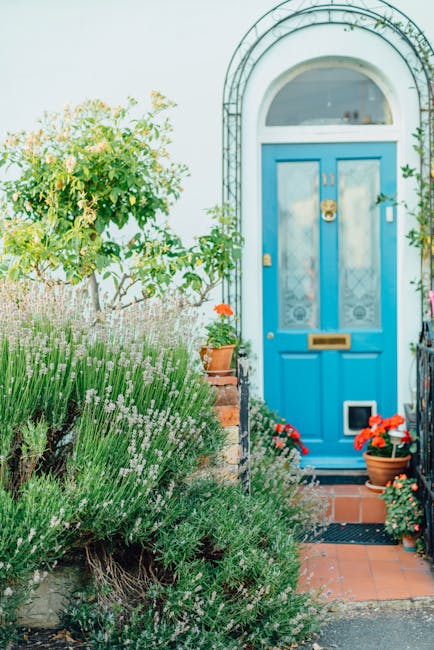
Mornington Crescent gardeners for small front garden makeovers: practical ideas that make a tiny entrance feel welcoming
If your front garden feels too small to do much with, you are not alone. In Mornington Crescent, compact plots, narrow entrances, awkward steps, and limited sunlight are part of everyday life. The good news is that a small front garden can still make a strong first impression. With the right planning, Mornington Crescent gardeners for small front garden makeovers can turn a tired strip of space into something neat, characterful, and genuinely useful.
The trick is not to cram more in. It is to choose the right features, keep the layout honest, and let every square metre earn its keep. That might mean better planting, a smarter path, a cleaner boundary, or simply removing clutter that makes the space feel even smaller than it is. In practice, the best makeovers are often the simplest. A little structure, a few plants with the right scale, and some careful maintenance can go a very long way.
Below, you will find a complete guide to planning, designing, and maintaining a front garden makeover that suits a compact London setting. There are ideas for low-maintenance planting, privacy, containers, edging, seasonal care, and the common mistakes that trip people up. Truth be told, small front gardens are less forgiving than larger ones - but they are also quicker to transform, which is a nice bonus.
Table of Contents
- Why Mornington Crescent gardeners for small front garden makeovers matters
- How Mornington Crescent gardeners for small front garden makeovers works
- Key benefits and practical advantages
- Who this is for and when it makes sense
- Step-by-step guidance
- Expert tips for better results
- Common mistakes to avoid
- Tools, resources and recommendations
- Law, compliance, standards, or best practice
- Options, methods, or comparison table
- Case study or real-world example
- Practical checklist
- Conclusion
- Frequently asked questions
Why Mornington Crescent gardeners for small front garden makeovers Matters
A small front garden is not just decoration. It is the part of the home that people see first, every day, and it quietly affects how the whole property feels. In a dense neighbourhood like Mornington Crescent, the front garden often has to do several jobs at once: it needs to look neat, work around a short walk to the door, cope with foot traffic, and stay manageable in all seasons.
That is why local experience matters. A gardener who understands compact urban plots will usually approach the space differently from someone used to larger suburban gardens. They will think about sight lines, access, drainage, boundary lines, and how much maintenance the owner can realistically keep up with. No point creating a gorgeous border if it becomes a weekly battle with weeds, is there?
Front garden makeovers are also about value in the everyday sense. A smart layout can make the entrance feel brighter, safer, and easier to use. If you have bins, bikes, a narrow gate, or a patch of shade, those practical realities shape the design. Mornington Crescent gardeners for small front garden makeovers know that success comes from working with the space, not fighting it.
A small front garden can also support biodiversity, privacy, and better drainage when planned well. Even a modest bed can become a home for pollinators, evergreen structure, or a cleaner buffer between pavement and doorway. It does not have to be grand. It just has to be considered.
How Mornington Crescent gardeners for small front garden makeovers Works
The process usually starts with a practical review rather than a decorative one. A good gardener will look at what the space does during the day: where the sun lands, where shade lingers, how water drains after rain, and which parts are trampled, blocked, or overgrown. That first pass matters more than picking plants. It tells you what the garden can actually support.
From there, the makeover is usually built in layers. First comes the structure: hard edges, paths, steps, borders, maybe a low wall or gate repair. Then comes the planting plan, which should suit the available light and the scale of the area. Last comes the finishing work - mulch, clean edging, containers, tidy pruning, and any small details that stop the space from looking unfinished.
For compact front gardens, the design logic is often simple:
- Reduce clutter so the entrance feels open.
- Use repetition to create calm rather than a busy mix of random plants.
- Choose reliable forms such as clipped evergreens, low mounds, and upright accents.
- Keep maintenance realistic so the garden still looks good after six months, not just on day one.
If you want a quick starting point on light-touch upkeep, the advice in these low-maintenance gardening tips is useful alongside a makeover plan. For homes with a patch of lawn at the front, the right care routine can make a surprising difference too, and front garden lawn care is often the thing that keeps the whole space looking finished rather than scruffy.
One thing to note: the best front garden work usually happens in stages. It is rarely sensible to rip everything out, order a pile of plants, and hope for the best. That is how people end up with mismatched heights, unhappy shrubs, and one very confused looking corner. A staged plan gives you more control.
Key Benefits and Practical Advantages
A well-executed front garden makeover gives more than a prettier entrance. It can improve how the property works day to day, which is often the part homeowners appreciate most after the novelty wears off.
- Better kerb appeal: The front of the house feels cared for, which can lift the whole appearance of the property.
- Less maintenance stress: Sensible planting and tidy edges reduce the constant sense of "I should really sort that out".
- Improved access: Narrow paths, steps, and entryways can be arranged more clearly.
- More privacy: Carefully placed screening can soften views from the street without making the garden feel closed in.
- Seasonal interest: A mix of evergreens, flowering plants, and textural foliage keeps the garden from going flat in winter.
- Cleaner transitions: Good fronts garden design can connect pavement, boundary, and doorway in a more balanced way.
Another advantage is that a small front garden can be surprisingly adaptable. One year it may need more structure; another year it may need softer planting because the space gets too hard-edged. With the right base layout, adjustments are easy. That is a nice position to be in.
If you are thinking long term, choose materials and planting that age well. A compact front plot rarely benefits from high-maintenance novelty. It benefits from calm, sturdy design choices and a maintenance rhythm that is realistic on a busy week. Mornington Crescent gardeners often see that the homes which look best are not the most extravagant. They are the most consistent.
Who This Is For and When It Makes Sense
Small front garden makeovers suit a wide mix of homeowners and tenants. They are especially helpful if your entrance feels overlooked, cluttered, or difficult to maintain. They also make sense if you want a better first impression without taking on a huge landscaping project.
This kind of work is a strong fit if you:
- have a narrow or shallow front garden
- want a low-maintenance layout rather than a high-input display
- need more privacy from the street
- have patchy lawn, awkward paving, or tired borders
- want to improve a property before selling or renting
- need a garden that works around bins, bikes, steps, or a short path to the door
It can also make sense if you are starting from a pretty rough state. A neglected frontage with overgrown shrubs, dead patches, or weeds pushing through paving can be brought back to life without a complete overhaul. For that kind of reset, this guide to reviving a neglected garden is a helpful companion read. And if the front boundary has become part of the problem, hedge trimming support can help restore shape and light.
On the other hand, if the garden is already functioning well and only needs light seasonal tidying, a full makeover may be unnecessary. Sometimes the best answer is selective improvements: one new bed, one better path edge, one simpler planting palette. Enough to feel fresh, not so much that it becomes a project you resent.
Step-by-Step Guidance
If you want a front garden makeover that feels intentional rather than rushed, work through the space in order. That keeps decisions grounded and stops you buying the wrong things too early.
- Measure and observe. Note the width, depth, access points, sun exposure, and any awkward slopes or drainage issues. A quick sketch is better than guessing.
- Decide the main job of the space. Is it mainly decorative, or does it need privacy, access, softening, or storage discipline? Choose one or two priorities, not five.
- Remove what no longer helps. Overgrown shrubs, broken edging, sagging containers, and weeds should go first. The space will tell you what to keep once the clutter is gone.
- Set the structure. Add or repair edges, paths, steps, or small retaining features. This is where the garden starts to feel "designed".
- Choose a planting palette. Stick to a restrained mix. In a small space, three to five repeating plant types often looks better than a long shopping list.
- Use container or vertical planting where needed. For tight spots, containers, wall-mounted planters, or slim climbers can create height without stealing floor space. Vertical gardening ideas for compact spaces can be especially handy here.
- Finish with mulch and tidy edges. Mulch helps retain moisture and makes borders look complete. Clean lines at the edge do a lot of visual heavy lifting.
- Build a simple maintenance habit. Light monthly care usually beats occasional heavy rescue work. A quick deadhead, weed pull, and check for overgrowth goes a long way.
Here is a useful rule of thumb: if the garden looks good from the doorway and from the pavement, you are close. If it only looks good from one angle, it probably still needs refining. That little test is surprisingly useful, and people tend to forget it.
Expert Tips for Better Results
Small front gardens reward restraint. That is not the glamorous answer, but it is the honest one. Too many shapes, too many colours, and too many species can make a compact entrance look busy and smaller than it is.
- Repeat planting groups. Three matching containers or repeated clumps of the same plant create rhythm and calm.
- Use evergreens for structure. In London, winter can leave bare borders looking flat. Evergreen shrubs, clipped forms, and tidy climbers keep the frontage looking alive. If shade is part of the problem, evergreen climbers for shaded spots can be a smart option.
- Keep colour selective. One or two accent colours usually work better than a rainbow effect.
- Use scent near the door. A herb edge or fragrant planting near a path gives a small sensory lift when you come home. Tiny thing, big mood.
- Choose plants that tolerate urban conditions. Front gardens face road dust, foot traffic, and weather exposure. Tougher varieties often outlast the pretty-but-fussy ones.
- Think about the view in winter. This is where many makeovers fall apart. Good winter structure matters more than a short-lived summer show.
For readers who want a low-fuss approach, there is a lot to be said for combining ground cover, small evergreen shrubs, and a few seasonal pots. The article on ground cover plants for UK gardens gives useful ideas for filling space without constant upkeep. And if you want the entrance to feel friendly rather than rigid, a few well-chosen containers can soften the edges without taking up much room. Container gardening ideas are ideal for that sort of lift.
To be fair, the best tip is often the simplest one: leave some breathing space. A small front garden does not need every inch occupied. Empty space is not wasted space. It is what lets the design read clearly.
Common Mistakes to Avoid
Front garden makeovers go wrong for fairly predictable reasons. Most of them are fixable, which is the encouraging part. The main issue is usually trying to do too much, too quickly.
- Over-planting: A small garden can look crowded very fast. Plants need space to grow, and the design needs room to breathe.
- Ignoring maintenance: A beautiful layout that needs constant attention can become a burden. That is where many people lose momentum.
- Mixing too many styles: Formal edging, cottage planting, tropical foliage, and modern gravel all in one small front garden? It rarely works. Pick a direction.
- Forgetting access: Paths, gates, bins, and steps still have to function. Looks matter, but not at the expense of everyday use.
- Using oversized shrubs: Big shrubs can dwarf a tiny frontage and block light. They may also cause future pruning headaches.
- Neglecting soil health: Even small beds need decent soil, compost, and moisture management. Thin, exhausted soil leads to underwhelming plants.
One of the sneakiest mistakes is choosing plants because they look good in a pot centre, not because they suit the site. A plant can be lovely and still be a poor fit. There. Said plainly.
Another common issue is forgetting the street view. You may love the garden from the doorway, but if it looks messy from the pavement, the overall impression still suffers. Mornington Crescent gardeners who work on compact front gardens often focus on that front-facing perspective first, because it is the one most people notice.
Tools, Resources and Recommendations
You do not need a truck full of gear to improve a small front garden. In many cases, a tidy set of basic tools and a clear plan are enough. Still, having the right kit makes the job cleaner and quicker.
Useful tools for front garden work:
- hand trowel and border fork
- secateurs for light pruning and deadheading
- loppers for thicker stems and awkward growth
- spade or edging tool for borders
- garden gloves and a kneeling pad
- watering can or hose for establishment periods
- mulch fork or rake for finishing beds
Useful planning resources from this site include:
- general gardening services for broader help across the garden
- landscaping support if the layout needs redesigning rather than just tidying
- patio cleaning when hard surfaces are dull or stained
- garden maintenance for ongoing care after the makeover
- about the team if you want to understand the people behind the service
If you are also thinking about the front boundary, it is worth considering how hedges, fences, and trees affect the whole frontage. Dense screening can be helpful, but overgrown trees and hedges can swallow light and make a small front garden feel cramped. That is where careful trimming, selective pruning, or even tree surgery can become part of the design rather than a separate task.
And yes, a simple notebook helps too. Sketch the garden, note where the sun lands at midday, and write down what annoys you most. You would be surprised how often the answer is not "needs more plants" but "needs less chaos".
Law, Compliance, Standards, or Best Practice
For a small front garden makeover in Mornington Crescent, most of the practical work is straightforward, but there are still sensible best-practice points to keep in mind. If the work involves boundary changes, planting near pathways, altering levels, or removing trees and large shrubs, it is wise to check whether anything could affect neighbours, access, or shared boundaries.
In the UK, general gardening work should be carried out with safe working practices, appropriate tools, and care around footpaths, waste disposal, and trip hazards. If contractors are involved, it is reasonable to expect them to work in line with their own safety procedures, insurance arrangements, and standard professional practice. For peace of mind, it helps to understand the provider's approach to insurance and safety as well as their health and safety policy.
It is also normal to look at terms, pricing, and payment clarity before any work begins. Transparent expectations reduce friction later, especially if the project includes multiple stages. If you are comparing options, pricing and quotes is the kind of page that helps set a sensible starting point. For anything involving data collection, bookings, or contact details, the usual privacy and cookie information should be clear as well, which is why documents like the privacy policy and cookie policy matter even in a garden service context.
One more practical note: if a front garden makeover includes fence replacement, hedge reshaping, or tree work close to property lines, it is worth being careful and documenting decisions. Not glamorous, I know, but it saves headaches. The cleanest designs are usually the ones planned with a bit of common sense and a bit of neighbourly awareness.
Options, Methods, or Comparison Table
There is no single right way to improve a small front garden. The best method depends on budget, time, upkeep tolerance, and what the space is already doing. Here is a simple comparison to help narrow the choice.
| Method | Best for | Pros | Watch-outs |
|---|---|---|---|
| Simple tidy-up | Gardens that already have good structure | Quick, affordable, low disruption | May not solve layout or planting issues |
| Plant-led refresh | Tired borders needing colour and life | Strong visual improvement, flexible budget | Needs matching plants to light and soil |
| Layout redesign | Spaces with awkward paths or poor flow | Biggest functional improvement | Usually needs more planning and cost |
| Container makeover | Very small or paved front areas | Fast to change, easy to update seasonally | Requires watering and occasional replacement |
| Screening and privacy upgrade | Homes exposed to street view | Softens the frontage, adds comfort | Can block light if chosen poorly |
If the front garden is already overrun, a full reset may be best. If it is just looking flat, a gentler refresh can do the job. The right answer is often somewhere in between. A little judgement here saves a lot of money later.
Case Study or Real-World Example
Imagine a typical Mornington Crescent frontage: a narrow garden strip, a short path to the front door, one tired shrub leaning over the paving, and a few containers that have seen better days. The owners want the space to look smarter but do not want a garden that becomes another job on the weekend.
The makeover begins with a clear-out. Out come the broken pots, tangled weeds, and the old plant that has clearly outgrown its welcome. The remaining bed is edged cleanly, the path is pressure-cleaned or brushed down, and the soil is topped up with compost and mulch. A small evergreen structure plant is kept as an anchor. Around it, a low repeating planting scheme is added: a ground cover to soften the base, a few seasonal plants for colour, and one or two containers near the entrance for interest.
The result is not dramatic in a showy sense. It is better than that. It feels calm. The doorway stands out, the path is easier to read, and the garden no longer looks like it is trying to do everything at once. The owners can keep it tidy with a short weekly routine instead of a big rescue every few months.
That is usually the real win with small front garden makeovers. Not spectacle. Comfort. A clean, welcoming front that works with daily life, rain, parcels, visitors, and the odd windy morning when everything seems to lean sideways for no reason. London weather likes a bit of drama, after all.
Practical Checklist
Use this checklist before and after the makeover. It keeps the project grounded and helps you spot the small details that matter.
- Measure the space and note sun, shade, and drainage.
- Decide the main purpose: decoration, privacy, access, or all three.
- Remove dead, diseased, overgrown, or cluttering features.
- Keep the design simple enough to maintain.
- Choose repeated plant types rather than too many one-offs.
- Make sure paths, bins, gates, and steps still work properly.
- Use edging or borders to define the space.
- Add mulch or another finish to reduce weeds and tidy the look.
- Check whether hedges, fences, or trees need trimming or repair.
- Plan a light maintenance routine for each season.
Expert summary: In a small front garden, the best design is usually the one that looks calm, functions well, and stays manageable after the excitement of week one has passed.
Get a free quote today and see how much you can save.
Conclusion
A small front garden may not offer endless space, but it does offer a clear opportunity. With the right approach, it can become neat, inviting, and much easier to live with. Mornington Crescent gardeners for small front garden makeovers bring the local know-how that matters in compact urban spaces: they understand light, access, scale, and the very real need to keep things maintainable.
The best results usually come from simple, disciplined choices. Clean structure. Plants that fit. A design that respects the size of the space. And a maintenance plan that does not ask too much. That is what makes a makeover last.
If your front garden has been bothering you every time you walk up the path, consider that a sign. It may not need a total rebuild. It may just need a better plan, a steadier hand, and a bit of thoughtful work. Small spaces can feel generous when they are handled well. Really, they can.
And on a grey London morning, there is something quietly uplifting about opening the front door to a space that looks cared for. It changes the tone of the whole day.
Frequently Asked Questions
What do Mornington Crescent gardeners for small front garden makeovers usually include?
They usually include a site assessment, clearing and tidying, edging, planting design, container selection where needed, and finishing touches such as mulch or surface cleaning. The exact work depends on the size and condition of the garden.
How do I make a very small front garden look bigger?
Use fewer plant types, keep lines clean, avoid clutter, and choose repeated shapes rather than a crowded mix. A narrow path, simple borders, and a light planting palette usually help the space feel more open.
Are small front garden makeovers high maintenance?
Not if they are designed properly. In fact, a good small makeover often reduces maintenance by replacing awkward planting with simpler, more reliable choices. The key is choosing plants and materials you can actually keep up with.
What plants work best in a compact front garden?
Compact evergreens, low ground cover, tidy shrubs, and a few seasonal containers often work well. The best choices depend on sun, shade, soil, and how much privacy you want. A local gardener can match plants to the site rather than guessing.
Can a small front garden improve privacy?
Yes, but it should be done carefully. Low hedging, screening plants, or slim climbers can soften the view from the street without blocking light or making the space feel boxed in. Balance matters here.
Do I need landscaping or just gardening work?
If the main issue is overgrowth, tired planting, or general tidying, gardening work may be enough. If the layout, paving, edging, or levels need changing, then landscaping is more appropriate. Many front garden projects use a bit of both.
How long does a small front garden makeover take?
It depends on the scope. A simple refresh can be quite quick, while a redesign with repairs, new planting, or boundary work may take longer. The site condition usually matters more than the garden's physical size.
Is it worth cleaning the paving as part of the makeover?
Usually, yes. Clean paving makes a big visual difference in a front garden because it frames the planting and improves the approach to the house. Dirty hard surfaces can make even good planting look a bit unfinished.
What are the most common mistakes in front garden design?
Over-planting, ignoring access, choosing oversized shrubs, and making the layout too complicated are the usual culprits. Another common mistake is designing for peak summer rather than the rest of the year.
Can front garden makeovers be done on a modest budget?
Absolutely. A modest budget can still achieve a strong result if you prioritise the biggest visual wins first: tidy edges, a cleaner surface, a few well-chosen plants, and one or two focal points. You do not need to do everything at once.
How do I keep the garden looking good after the makeover?
Use a light, regular routine: quick weeding, deadheading, trimming, watering when needed, and seasonal checks for overgrowth. Small front gardens stay attractive when maintenance is steady rather than reactive.
How do I get started if the garden is badly neglected?
Start with clearing and assessment, not shopping. Remove the clutter, see what structure remains, and then decide whether the space needs restoration, redesign, or both. If it feels overwhelming, professional help can save a lot of time and guesswork.